
Hiring
-
Why Essential Industries Need a Different Kind of Recruiting Partner
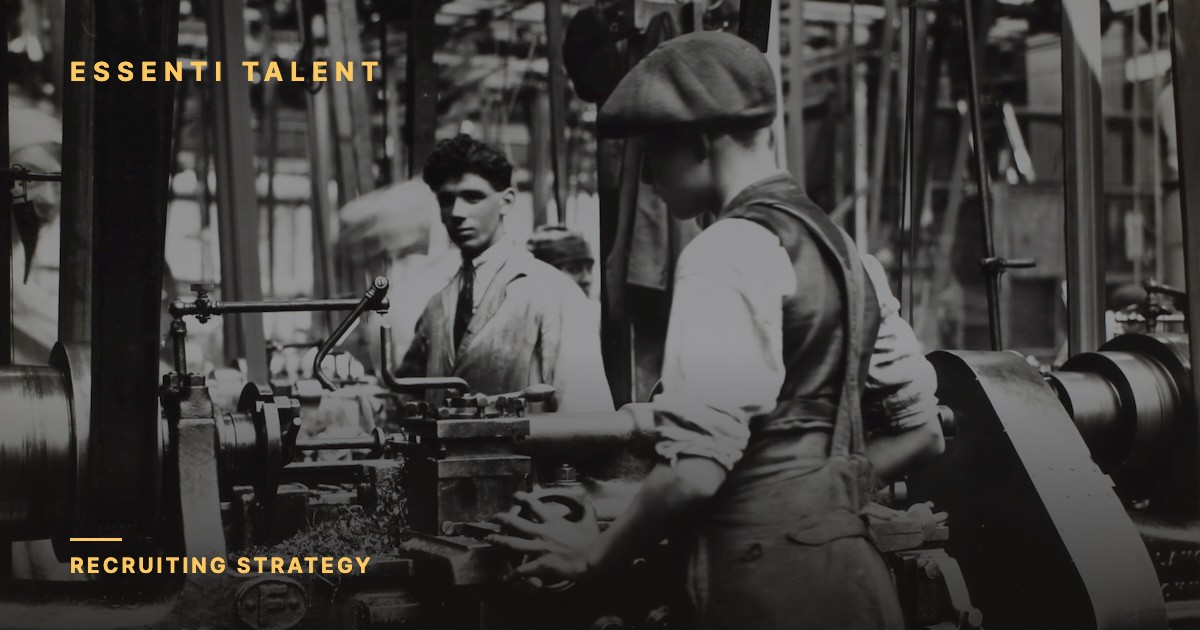
essential roles don’t operate like typical corporate environments. They run on schedules, shifts, compliance standards, and constant operational pressure. That includes sectors like healthcare, energy, supply chain, infrastructure, and food production — where hiring mistakes don’t just slow things down, they disrupt real-world operations. Yet, many organizations in these industries still rely on traditional recruiting…
-
Why Hiring the Right People Is Harder Than It Looks

Hiring is often described as one of the most important parts of building a successful company. On paper, it seems simple: define a role, find candidates, interview, and hire the best one. In reality, it is much more complex. Many companies struggle with hiring not because they lack candidates, but because they lack consistency in…
-
The Most Common Hiring Mistakes Companies Make

Hiring is one of the most important responsibilities in any organization, but it is also one of the most frequently mishandled. Even experienced companies make mistakes that lead to poor hires, wasted time, and high turnover. The issue is rarely a lack of effort. More often, it is a lack of structure in how hiring…
-
Why Good Candidates Don’t Always Get Hired

Most hiring teams assume that the best candidate will naturally stand out. Strong experience, polished resumes, and confident interviews are expected to lead directly to job offers. But in practice, this is not always what happens. Many qualified candidates are overlooked not because they lack ability, but because hiring decisions are influenced by factors beyond…
-
How to Improve Your Hiring Process Without Increasing Costs

Many companies assume that improving hiring means spending more money — on recruiters, tools, or advertising. But in most cases, the real problem is not budget. It is structure. A hiring process becomes more effective when it is refined, not necessarily expanded. One of the first areas to improve is clarity in role definition. When…